
 Sandra Catarina
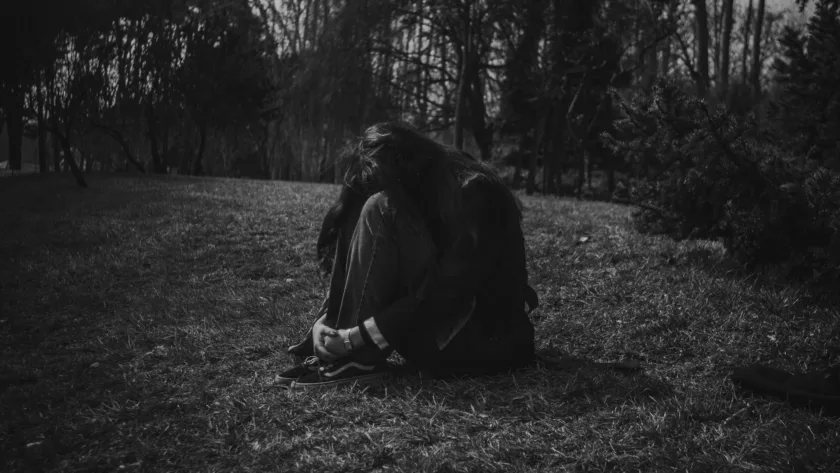
 The dark night of the soul is a term that describes one of the most intense and transformative phases of spiritual awakening. It’s not just about sadness or depression. It’s a deep and often painful process of inner transformation where your old identity dissolves, and a higher awareness begins to emerge.
This experience can feel overwhelming because it shakes the foundation of everything you thought you knew. You may question your purpose, your relationships, or even your faith. Yet, despite the discomfort, the dark night of the soul is ultimately a sacred invitation to align with your true self.
The concept originates from the 16th-century mystic St. John of the Cross, who used it to describe the soul’s journey through spiritual emptiness before union with the divine. Today, it’s a term used widely across spiritual traditions, psychology, and modern self-development.
Signs You Are Going Through the Dark Night of the Soul
Recognizing the dark night of the soul can bring clarity and comfort. While the experience is unique for everyone, some common signs include:
- Loss of Meaning: Activities, relationships, or beliefs that once inspired you now feel empty.
- Deep Emotional Pain: You may experience grief, confusion, or despair without a clear reason.
- Sense of Isolation: Even surrounded by others, you might feel profoundly alone.
- Spiritual Numbness: Meditation or prayer may feel meaningless or disconnected.
- Desire for Truth: There’s a growing urge to understand the deeper purpose behind your suffering.
These symptoms can resemble depression, but the dark night of the soul has a distinct spiritual flavor. It’s not about mental illness but about transformation and rebirth.
The Purpose of the Dark Night of the Soul
Every dark night of the soul serves a sacred purpose. It strips away illusions and attachments so that your authentic essence can emerge. When your ego loses control, your soul steps in to guide the process.
This stage helps you release limiting beliefs, unhealed trauma, and outdated identities. It prepares you for a deeper connection with life itself. Many people who go through it report a complete shift in their perception of reality. They feel more compassionate, grounded, and connected after emerging from the darkness.
In short, the dark night of the soul is not a punishment—it’s a cleansing. It’s how the soul purifies itself to return to its natural state of love and unity.
Common Triggers of the Dark Night of the Soul
The dark night of the soul can begin suddenly, often triggered by major life events. Some common catalysts include:
- The loss of a loved one
- The end of a relationship
- Major illness or accident
- Burnout or exhaustion
- Sudden spiritual awakening
- Life transitions such as moving, changing careers, or entering new phases of life
In many cases, it starts when you’re ready for a deeper spiritual alignment, even if you don’t consciously realize it. It’s as if your soul says, “It’s time to wake up.”
The Stages of the Dark Night of the Soul
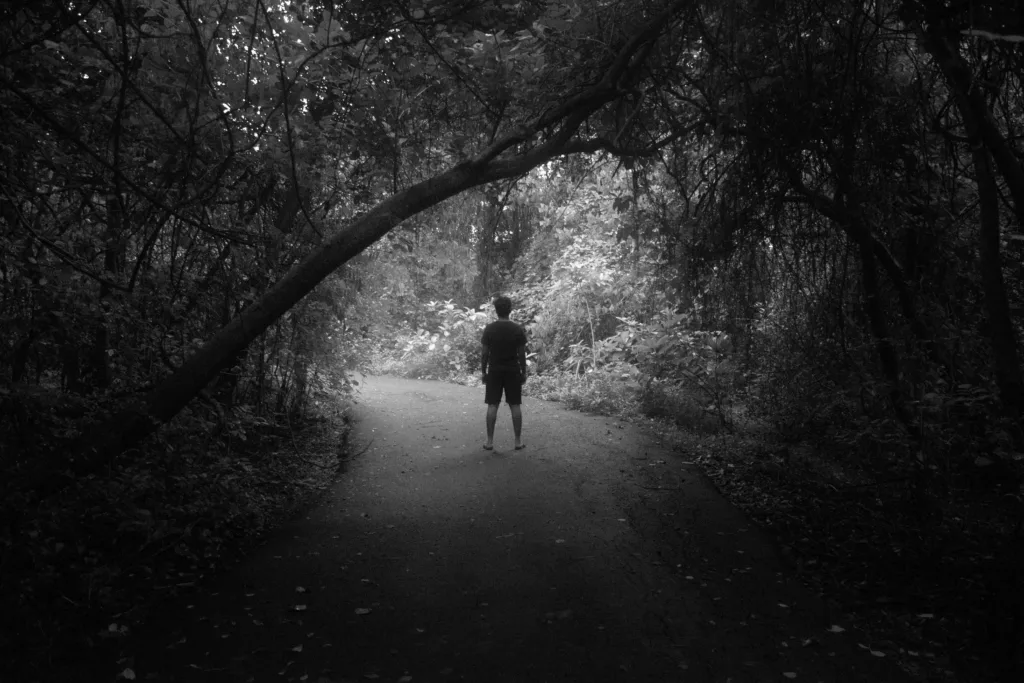
While the journey is personal, most people experience similar stages during the dark night of the soul. Understanding them can make the process less frightening and more meaningful.
1. The Breakdown
Everything begins to fall apart. Your sense of self, purpose, and stability starts to crumble. This phase often brings confusion, sadness, or anxiety.
2. The Emptiness
You may feel spiritually numb and emotionally disconnected. It’s as if you are living in a void. Nothing seems to bring comfort or joy.
3. The Surrender
Eventually, resistance becomes exhausting. You stop fighting and begin to accept the situation. This is where true healing starts.
4. The Illumination
Slowly, new insights and clarity emerge. You begin to see the purpose behind your suffering. A sense of peace starts to return.
5. The Integration
Finally, you integrate what you’ve learned into daily life. The dark night of the soul transforms into wisdom, strength, and compassion.
How to Navigate the Dark Night of the Soul
Surviving the dark night of the soul requires patience and self-compassion. Here are practical ways to move through it with greater ease:
- Allow the Process: Stop resisting. Accept that what you’re experiencing has meaning.
- Stay Present: Focus on the present moment instead of worrying about outcomes.
- Rest Often: Fatigue is common during this phase. Honor your need for rest and stillness.
- Journal Daily: Writing helps you process emotions and track your inner transformation.
- Connect with Nature: Time outdoors helps ground your energy and clear your mind.
- Seek Support: Spiritual mentors, therapists, or supportive friends can offer guidance.
- Practice Meditation or Breathwork: These tools calm the nervous system and open the heart.
- Avoid Overanalyzing: The mind often can’t understand spiritual processes. Trust your heart instead.
Remember, healing happens gradually. The dark night of the soul is a journey of surrender, not control.
The Difference Between the Dark Night of the Soul and Depression
It’s easy to confuse the dark night of the soul with depression because both can involve sadness, fatigue, and loss of motivation. However, they differ in root cause and direction.
Depression often stems from chemical imbalances, trauma, or emotional exhaustion. The dark night of the soul is a spiritual awakening process that leads to transformation rather than stagnation.
Here are some distinctions:
| Aspect | Depression | Dark Night of the Soul |
|---|---|---|
| Cause | Emotional or biological | Spiritual evolution |
| Direction | Downward, closed | Upward, transformative |
| Focus | Despair, hopelessness | Searching for truth and meaning |
| Outcome | Emotional recovery | Spiritual rebirth and expansion |
Both can coexist, and it’s important to seek help when needed. Professional support doesn’t interfere with spiritual growth—it strengthens it.
Lessons Learned from the Dark Night of the Soul
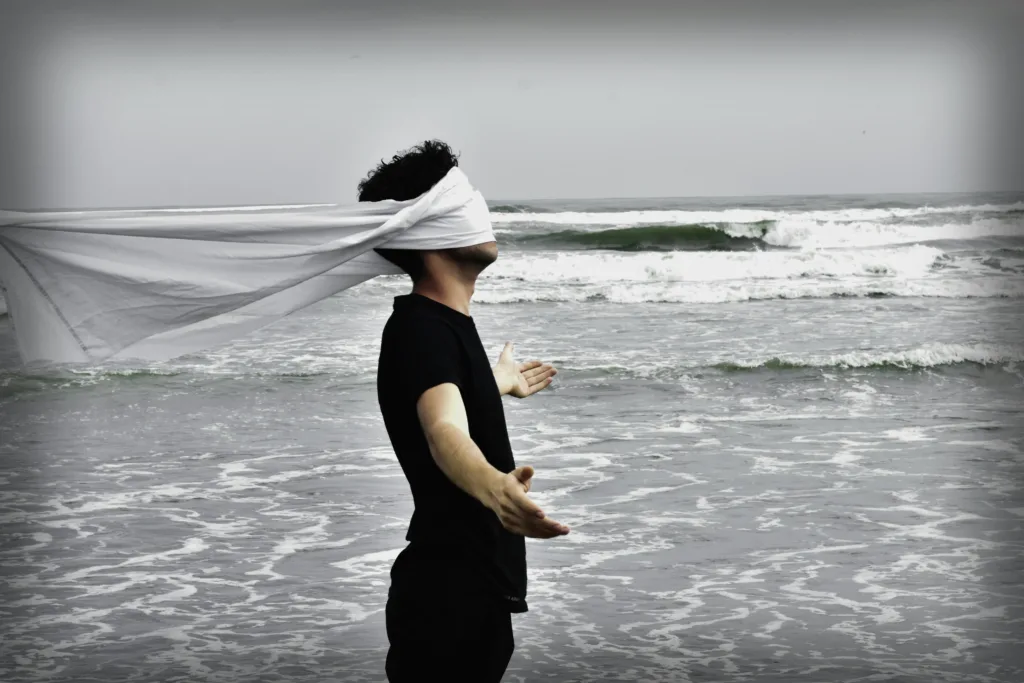
Emerging from the dark night of the soul often feels like rebirth. Here are common lessons people report after this powerful journey:
- Detachment from Ego: You stop identifying with material success or external validation.
- Deeper Compassion: You feel empathy for others who suffer.
- Authenticity: You begin to live in alignment with your true values.
- Inner Peace: A quiet strength replaces fear and doubt.
- Spiritual Awareness: You sense a direct connection to the divine or universal consciousness.
These lessons become the foundation for a new way of living—one rooted in love, purpose, and freedom.
What Comes After the Dark Night of the Soul?
After the dark night of the soul, life doesn’t necessarily become easy—but it becomes real. You feel grounded in truth, aware of your inner power, and free from illusions.
Many people find that new opportunities and relationships appear naturally. Synchronicities increase. Creativity flows effortlessly. There’s a deep sense of gratitude for both light and darkness.
You realize that the dark night of the soul was never meant to destroy you—it was meant to awaken you. It helped you remember who you truly are beyond fear, ego, and limitation.
The Spiritual Gifts Hidden in Darkness
Though painful, the dark night of the soul holds immense spiritual gifts. It purifies the heart, deepens faith, and reveals your purpose. It also teaches surrender—the art of letting go of control and trusting the flow of life.
When you surrender, you stop trying to fix everything. Instead, you allow divine intelligence to guide your steps. This shift from resistance to acceptance is where true healing begins.
The reward is a renewed sense of clarity, creativity, and inner peace. You may even find yourself helping others who are walking the same path, sharing wisdom from your experience.
Final Thoughts on the Dark Night of the Soul
The dark night of the soul is not a phase to fear but to embrace. It’s an initiation into deeper consciousness, guiding you toward wholeness and authenticity.
While the journey can be lonely, it leads you back to your light. In the end, you emerge wiser, softer, and more connected to your true essence.
If you are in the midst of the dark night of the soul, remember this: you are not lost—you are being reborn.
Here you find more articles about spiritual awakening.